
Interview QCOM which is a compost project by students in Kyushu University
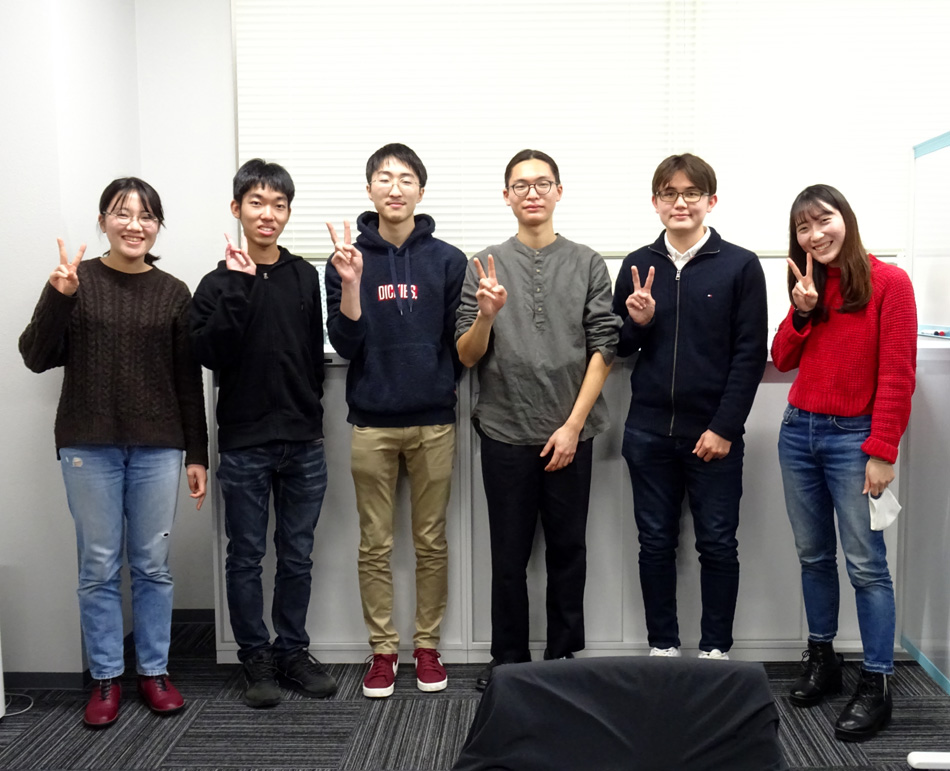
It is introduced the compost project, named as QCOM, on campus run by the students of Kyushu University in this page. QCOM consisting of some undergraduate students mainly from School of Interdisciplinary Science and Innovation and School of Engineering has composted using food waste at the dormitories since 2020 and they strongly believe its compost project could make all resources completely cycled in the local society and connect people from different stakeholders in the local community in the future. They have also been reaching out to the local communities and companies to give the opportunities to think social issues through telling what they have been doing at the project. We interviewed QCOM’s members about their specific activities and future plans.
1.What brought you to start QCOM?
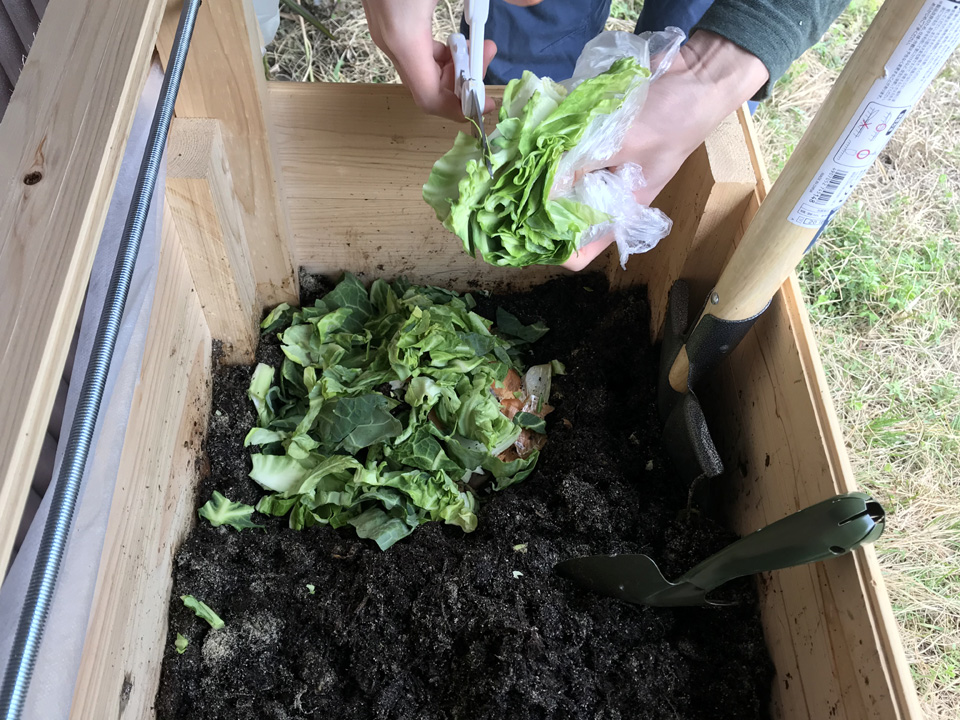
Personally, I often felt that I had a problem for dealing with food waste when I started to living by myself due to my new life in Kyushu University. Usually we can take out the trash twice a week, but for me, as well as the people living alone, the amount of the trash is not so large, so I don’t have to discard on every garbage disposal day. That means I have to leave food scraps in my place for a while and it causes a sanitary problem. Finally, I came up with an idea that kitchen scraps could be recycled as natural material decomposed and I believed it could help to solve environmental issues as well, so I applied for Kyoso Active Participation Project Aid (KAPPA*) with my friends to get the budget so that I could conduct composting on campus involving more students. First, we installed the boxes to collect food waste at the dormitories so that the residents can put their garbage anytime and then created a compost pile to let food waste decompose. Second, our team members add these scraps to the pile twice a week.
*KAPPA offered by School of Interdisciplinary aims to encourage the students in Kyushu University to create original projects which related with solving various social issues.
2.How QCOM is organized at this point that two years have passed since it started with KAPPA?
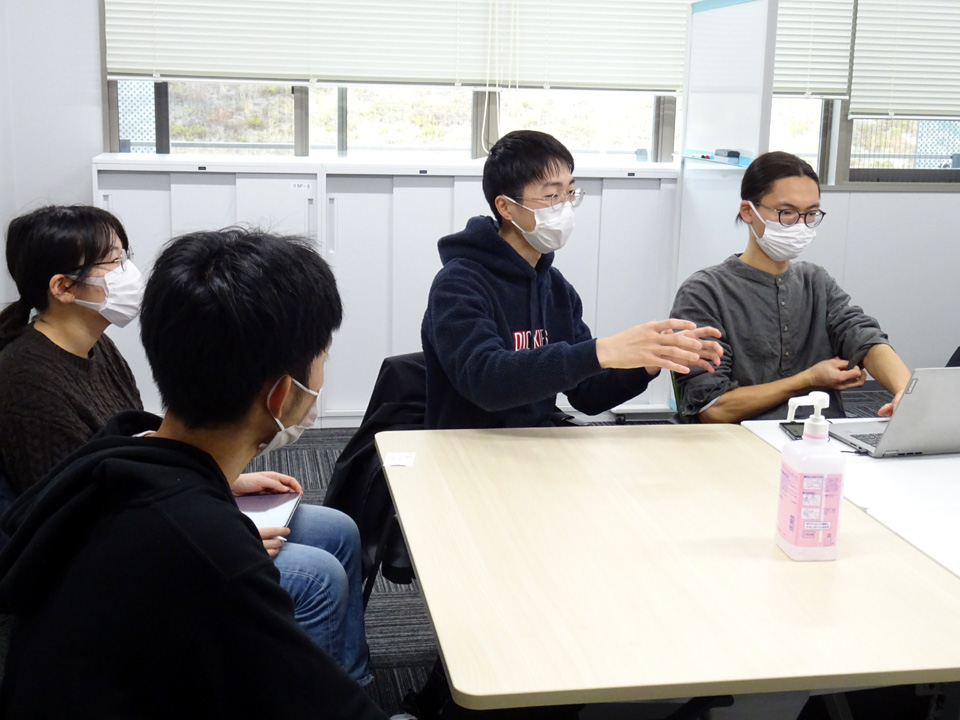
15 undergraduate students from School of Interdisciplinary Science and Innovation, School of Engineering and School of Agriculture are taking part in QCOM. Actually, each of us is not provided an individual specific role because we think each strong skill is different depending on our personalities and situations, so our team has some flexible structure.
3.How often do you feel more people internally or externally are getting familiar with QCOM in past two years?
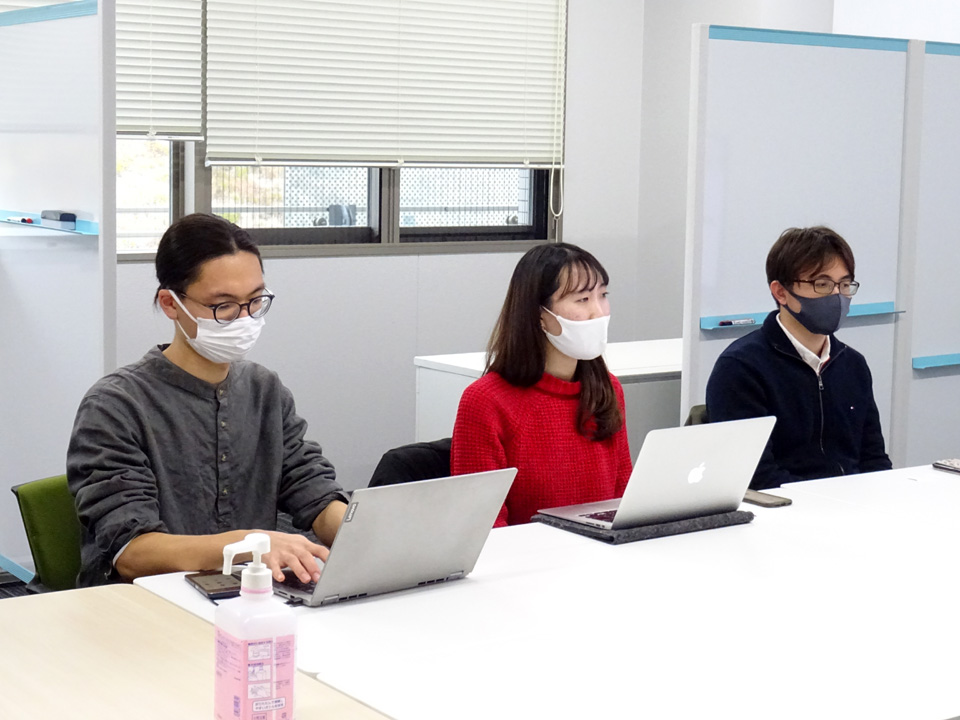
It is true that the amount we have collected has increased compared to the beginning, but capacity for decomposing in QCOM is limited, that means we are in a dilemma because the more people use QCOM service, the more difficult it is for us to deal with. However, we are very grateful that more and more institutions and communities especially outside campus have reached out QCOM through our social medias.
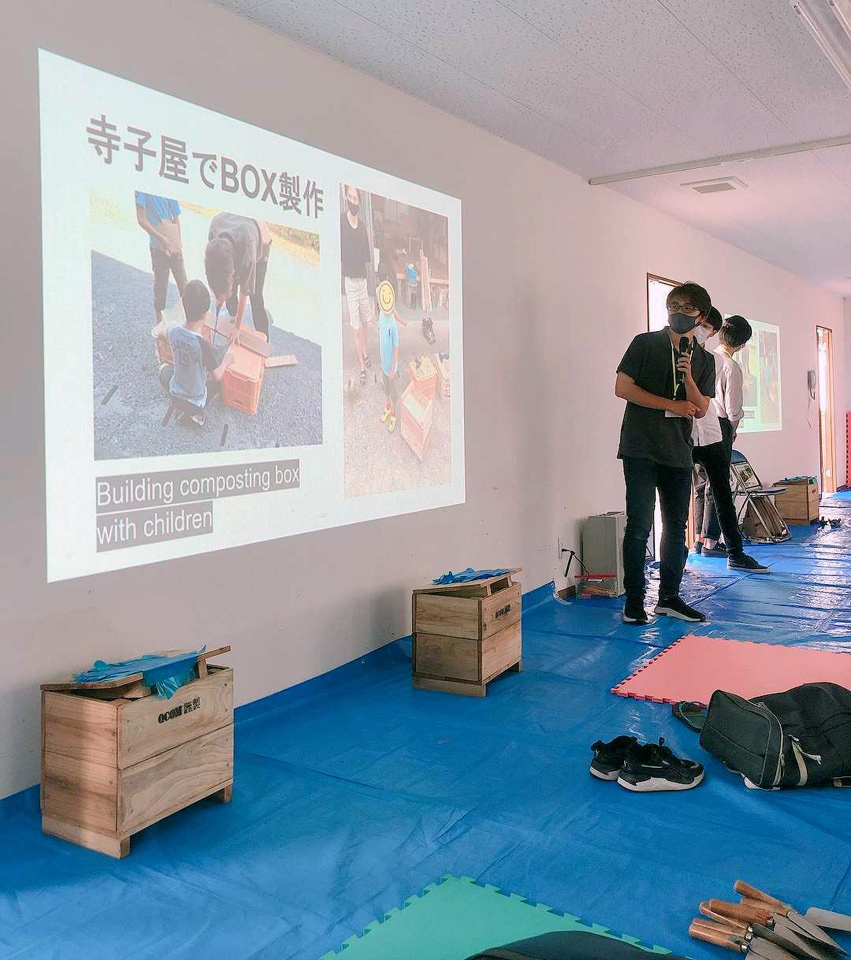
4.There are two approaches in QCOM: making all resources cycled which contributes to environmental impact and connecting with people and communities to let them know composting which contributes to social impact, so does QCOM have any specific goals?
Our final goal is to make whole natural resources cycled in Itoshima area where our main campus is located. Now we would like to make sure how useful our compost made in dormitories is. If we can prove its chemical component clearly, we will be able to confidently give it back to campus in more practical situation.
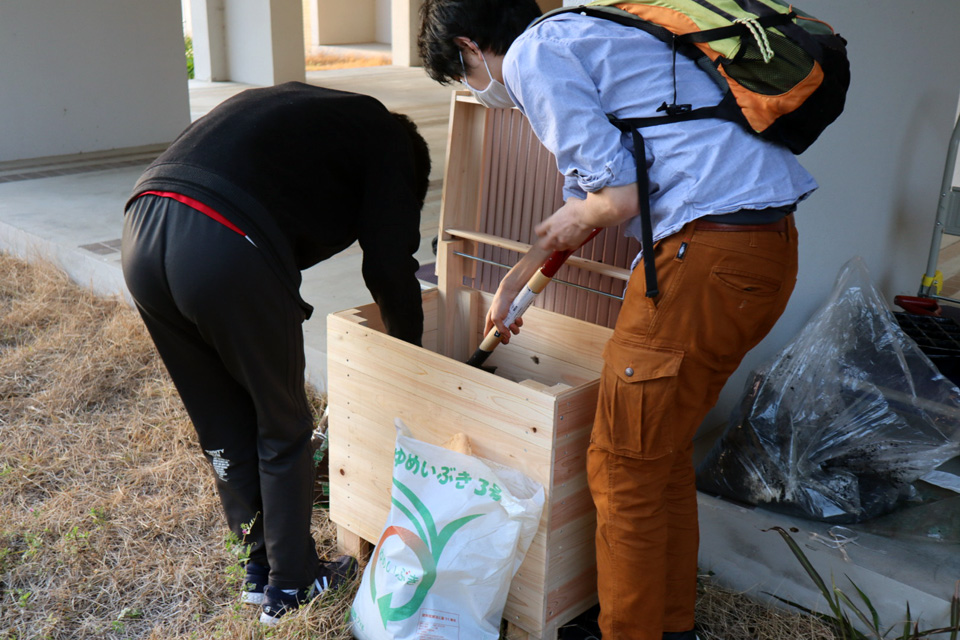
5.What kinds of steps do you think are to achieve the goals?
First of all, most of our members are from School of Interdisciplinary Science, so we should widen our network to other both undergraduate and graduate students over the belongings. Recently we try to involve the residents in dormitories with running the project more and they are also mixing food trash and compost pile replaced with QCOM’s members. On the other hand, we continue to participate in internal events or workshops focused on environmental topics so that the students who are interested in those issues can be connected with QCOM as well.
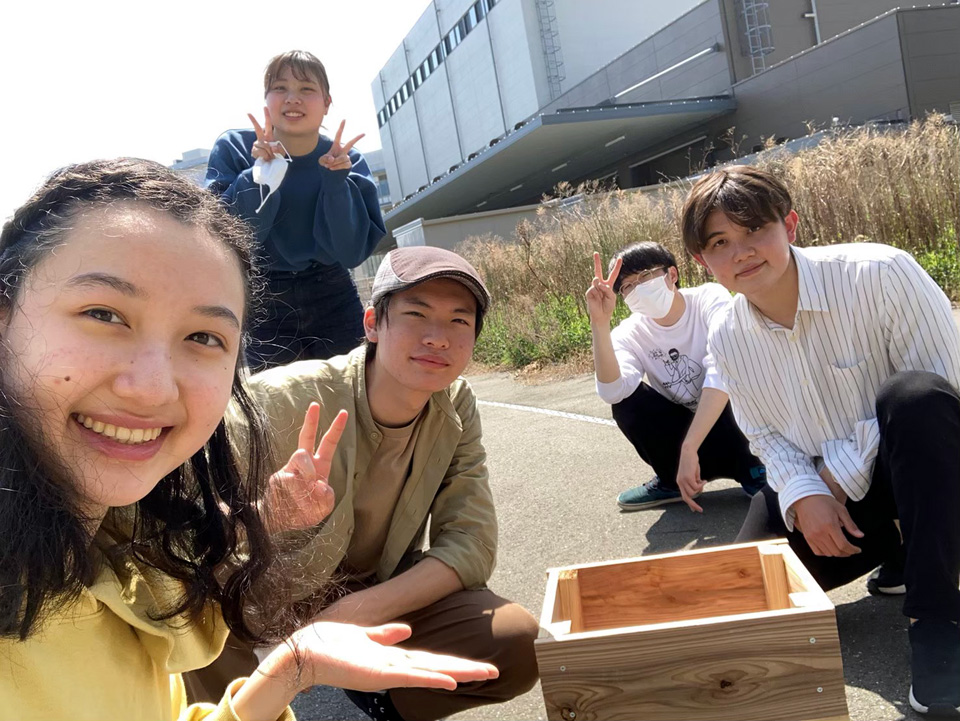
Composting is one of small steps to contribute to achieve SDGs. Why don’t we think about what you can do for it and visit QCOM’s official website? If you would like to join them, don’t hesitate to contact directly!